
Which API design pattern is right for my project?

Decision tree
Determine the right API design style for your integration scenario.
Overview
Decision Tree
Start: Who are the primary consumers of this API?
A: Internal services (backend-to-backend)
- Continues to question: Is low-latency real-time streaming required?
B: Third-party developers / public
- Continues to question: Is low-latency real-time streaming required?
C: Mobile or browser clients
- Continues to question: Does the client need fine-grained control over exactly which fields are fetched?
Machine-Readable JSON (Canonical Model)
View JSON
{
  "_meta": {
    "schema": "https://www.drawdecisiontree.com/decision-dag.schema.json",
    "source": "https://www.drawdecisiontree.com",
    "description": "DrawDecisionTree.com is a free tool for building, sharing, and embedding interactive decision trees. This file is the machine-readable export of a published decision tree. The `dsl` field contains the original source in the Decision DAG DSL; the `dag` schema is documented at the URL in `schema` above.",
    "links": {
      "interactive": "https://www.drawdecisiontree.com/t/ma-operating-system/api-design.html",
      "embed": "https://www.drawdecisiontree.com/embed/path/ma-operating-system/api-design",
      "dsl_reference": "https://www.drawdecisiontree.com/decision-tree-dsl-reference.html",
      "guides": "https://www.drawdecisiontree.com/guides",
      "schema_docs": "https://www.drawdecisiontree.com/decision-dag.schema.json",
      "author_trees": "https://www.drawdecisiontree.com/trees/ma-operating-system"
    },
    "generated_at": "2026-05-29T12:05:39.241Z"
  },
  "author": {
    "handle": "ma-operating-system",
    "first_name": "M&AOperatingSystem",
    "last_name": null,
    "avatar_url": "4d26d57f-9751-4220-beae-98346f806aa8/avatar-1777319673762.svg",
    "display_name": "M&AOperatingSystem"
  },
  "file": {
    "id": "d2b9534d-ce6e-40b4-9a75-b2991363db88",
    "name": "Which API design pattern is right for my project?",
    "public_slug": "api-design",
    "updated_at": "2026-05-29T00:33:08.447621+00:00",
    "url": "https://www.drawdecisiontree.com/t/ma-operating-system/api-design.html",
    "json_url": "https://www.drawdecisiontree.com/t/ma-operating-system/api-design/tree.json",
    "dsl_url": "https://www.drawdecisiontree.com/t/ma-operating-system/api-design/tree.dag"
  },
  "meta": {
    "description": "Determine the right API design style for your integration scenario.",
    "mode": "decision",
    "entry": "Q1",
    "tags": [],
    "image": null
  },
  "questions": [
    {
      "id": "Q1",
      "text": "Who are the primary consumers of this API?"
    },
    {
      "id": "Q2",
      "text": "Is low-latency real-time streaming required?"
    },
    {
      "id": "Q3",
      "text": "Does the client need fine-grained control over exactly which fields are fetched?"
    },
    {
      "id": "Q4",
      "text": "Is bidirectional communication (client push AND server push) needed?"
    },
    {
      "id": "Q5",
      "text": "Is strict contract-first API design with generated SDKs a priority?"
    }
  ],
  "outcomes": [
    {
      "id": "OUT_REST",
      "label": "REST (pragmatic)"
    },
    {
      "id": "OUT_REST_OPENAPI",
      "label": "REST + OpenAPI"
    },
    {
      "id": "OUT_GRAPHQL",
      "label": "GraphQL"
    },
    {
      "id": "OUT_GRPC",
      "label": "gRPC / Protocol Buffers"
    },
    {
      "id": "OUT_WEBSOCKET",
      "label": "WebSocket / Server-Sent Events"
    }
  ],
  "dsl": "dag: Which API design pattern is right for my project?\nversion: 1.0.0\ndescription: Determine the right API design style for your integration scenario.\nentry: Q1\n\nQ1: Who are the primary consumers of this API?\n  A: Internal services (backend-to-backend) -> Q2\n  B: Third-party developers / public         -> Q2\n  C: Mobile or browser clients               -> Q3\n\nQ2: Is low-latency real-time streaming required?\n  yes -> Q4\n  no  -> Q5\n\nQ3: Does the client need fine-grained control over exactly which fields are fetched?\n  yes -> [OUT_GRAPHQL]\n  no  -> Q5\n\nQ4: Is bidirectional communication (client push AND server push) needed?\n  yes -> [OUT_WEBSOCKET]\n  no  -> [OUT_GRPC]\n\nQ5: Is strict contract-first API design with generated SDKs a priority?\n  yes -> [OUT_REST_OPENAPI]\n  no  -> [OUT_REST]\n\n[OUT_REST]:        REST (pragmatic)\n  description: Standard HTTP verbs and JSON payloads. Best default choice for most CRUD-style service integrations.\n  code: API_REST\n\n[OUT_REST_OPENAPI]: REST + OpenAPI\n  description: REST with an OpenAPI 3.x spec-first workflow. Enables auto-generated SDKs, mocks, and documentation for public or partner APIs.\n  code: API_REST_OPENAPI\n\n[OUT_GRAPHQL]:     GraphQL\n  description: Flexible query language allowing clients to request exactly the data they need. Ideal for complex, rapidly evolving frontend data requirements.\n  code: API_GRAPHQL\n\n[OUT_GRPC]:        gRPC / Protocol Buffers\n  description: High-performance binary RPC with strongly typed contracts. Best for internal microservice communication where throughput and latency matter.\n  code: API_GRPC\n\n[OUT_WEBSOCKET]:   WebSocket / Server-Sent Events\n  description: Full-duplex or server-push protocol. Use for chat, live dashboards, collaborative editing, or any scenario requiring real-time bidirectional messaging.\n  code: API_WEBSOCKET\n\nroutes:\n  Q1=A, Q2=no, Q5=no -> [OUT_REST]\n  Q1=A, Q2=no, Q5=yes -> [OUT_REST_OPENAPI]\n  Q1=A, Q2=yes, Q4=no -> [OUT_GRPC]\n  Q1=A, Q2=yes, Q4=yes -> [OUT_WEBSOCKET]\n  Q1=B, Q2=no, Q5=no -> [OUT_REST]\n  Q1=B, Q2=no, Q5=yes -> [OUT_REST_OPENAPI]\n  Q1=B, Q2=yes, Q4=no -> [OUT_GRPC]\n  Q1=B, Q2=yes, Q4=yes -> [OUT_WEBSOCKET]\n  Q1=C, Q3=yes -> [OUT_GRAPHQL]\n  Q1=C, Q3=no, Q5=no -> [OUT_REST]\n  Q1=C, Q3=no, Q5=yes -> [OUT_REST_OPENAPI]\n"
}
DSL Representation
dag: Which API design pattern is right for my project?
version: 1.0.0
description: Determine the right API design style for your integration scenario.
entry: Q1

Q1: Who are the primary consumers of this API?
  A: Internal services (backend-to-backend) -> Q2
  B: Third-party developers / public         -> Q2
  C: Mobile or browser clients               -> Q3

Q2: Is low-latency real-time streaming required?
  yes -> Q4
  no  -> Q5

Q3: Does the client need fine-grained control over exactly which fields are fetched?
  yes -> [OUT_GRAPHQL]
  no  -> Q5

Q4: Is bidirectional communication (client push AND server push) needed?
  yes -> [OUT_WEBSOCKET]
  no  -> [OUT_GRPC]

Q5: Is strict contract-first API design with generated SDKs a priority?
  yes -> [OUT_REST_OPENAPI]
  no  -> [OUT_REST]

[OUT_REST]:        REST (pragmatic)
  description: Standard HTTP verbs and JSON payloads. Best default choice for most CRUD-style service integrations.
  code: API_REST

[OUT_REST_OPENAPI]: REST + OpenAPI
  description: REST with an OpenAPI 3.x spec-first workflow. Enables auto-generated SDKs, mocks, and documentation for public or partner APIs.
  code: API_REST_OPENAPI

[OUT_GRAPHQL]:     GraphQL
  description: Flexible query language allowing clients to request exactly the data they need. Ideal for complex, rapidly evolving frontend data requirements.
  code: API_GRAPHQL

[OUT_GRPC]:        gRPC / Protocol Buffers
  description: High-performance binary RPC with strongly typed contracts. Best for internal microservice communication where throughput and latency matter.
  code: API_GRPC

[OUT_WEBSOCKET]:   WebSocket / Server-Sent Events
  description: Full-duplex or server-push protocol. Use for chat, live dashboards, collaborative editing, or any scenario requiring real-time bidirectional messaging.
  code: API_WEBSOCKET

routes:
  Q1=A, Q2=no, Q5=no -> [OUT_REST]
  Q1=A, Q2=no, Q5=yes -> [OUT_REST_OPENAPI]
  Q1=A, Q2=yes, Q4=no -> [OUT_GRPC]
  Q1=A, Q2=yes, Q4=yes -> [OUT_WEBSOCKET]
  Q1=B, Q2=no, Q5=no -> [OUT_REST]
  Q1=B, Q2=no, Q5=yes -> [OUT_REST_OPENAPI]
  Q1=B, Q2=yes, Q4=no -> [OUT_GRPC]
  Q1=B, Q2=yes, Q4=yes -> [OUT_WEBSOCKET]
  Q1=C, Q3=yes -> [OUT_GRAPHQL]
  Q1=C, Q3=no, Q5=no -> [OUT_REST]
  Q1=C, Q3=no, Q5=yes -> [OUT_REST_OPENAPI]
Machine Access
- Static JSON:
/t/ma-operating-system/api-design/tree.json - Live JSON (SPA):
/json/ma-operating-system/api-design - Raw DSL:
/t/ma-operating-system/api-design/tree.dag - Canonical HTML:
/t/ma-operating-system/api-design.html
Questions in this decision tree
- Who are the primary consumers of this API?
- Is low-latency real-time streaming required?
- Does the client need fine-grained control over exactly which fields are fetched?
- Is bidirectional communication (client push AND server push) needed?
- Is strict contract-first API design with generated SDKs a priority?
Possible outcomes
- REST (pragmatic)
- REST + OpenAPI
- GraphQL
- gRPC / Protocol Buffers
- WebSocket / Server-Sent Events
How to use this decision tree
Click "Open interactive version" to step through the questions. Your answers narrow the tree until a recommended outcome is reached. You can also embed this tree on your own site.
More decision trees by M&AOperatingSystem
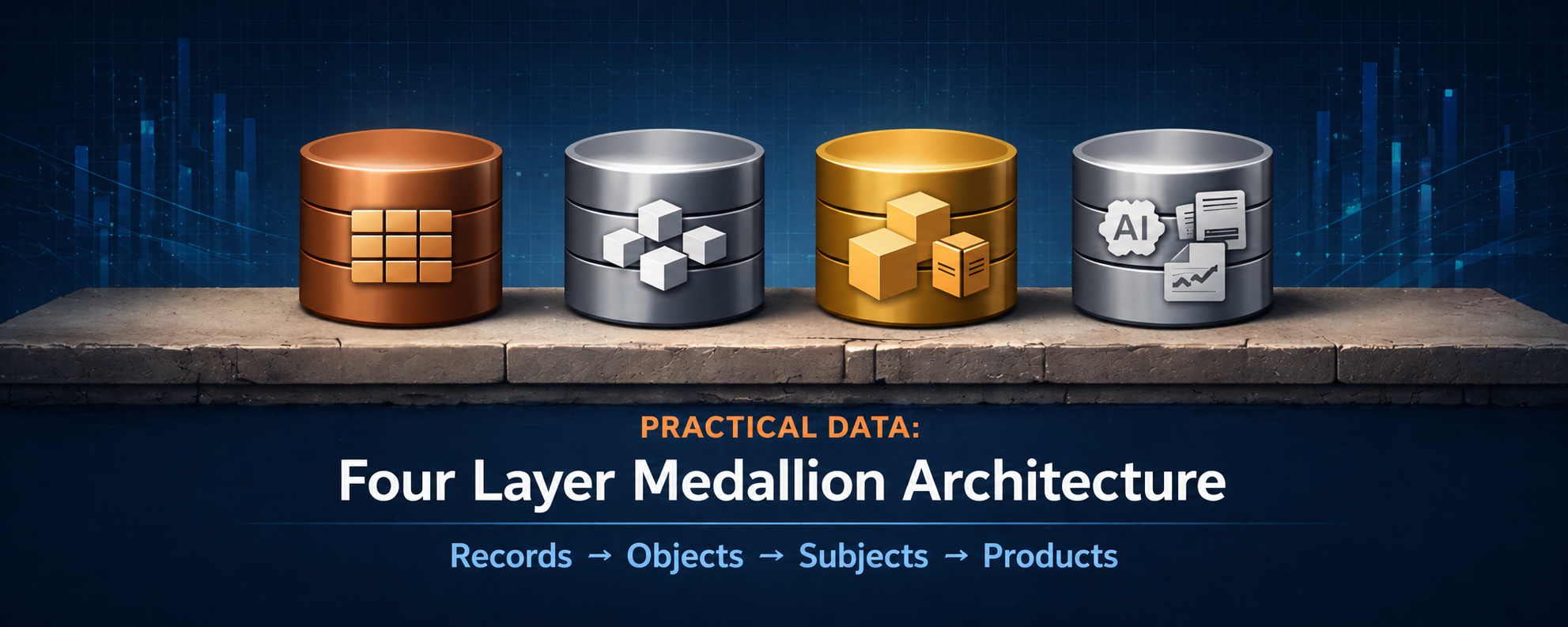
Practical Data: How many Layers Do I need?
This decision tree is aimed at Chief Data Officers (CDO) and Senior Technical Architects trying to figure out the right medallian style architecturedata warehouse product manager responsible for figuring out the most appropriate mechanism for integrating new data sources to a four-tier data warehouse, use this decision tree to identify the most effectivel integration strategy possible. The tool presumes three architecture principles - i) all data consumption takes place from the final data products layer and ii) The further to the "right" the integration takes place towards platinum, the more efficient the technology data processing (ie less storage and less compute) iii) Finally we prefer to materialise data as views over adding addition storage layers.
Practical Data: Which Layer should I Integrate to?
As a data warehouse product manager responsible for figuring out the most appropriate mechanism for integrating new data sources to a four-tier data warehouse, use this decision tree to identify the most effective integration strategy possible. The tool presumes three architecture principles - i) all data consumption takes place from the final data products layer and ii) The further to the "right" the integration takes place towards platinum, the more efficient the technology data processing (ie less storage and less compute) iii) Finally we prefer to materialise data as views over adding addition storage layers.